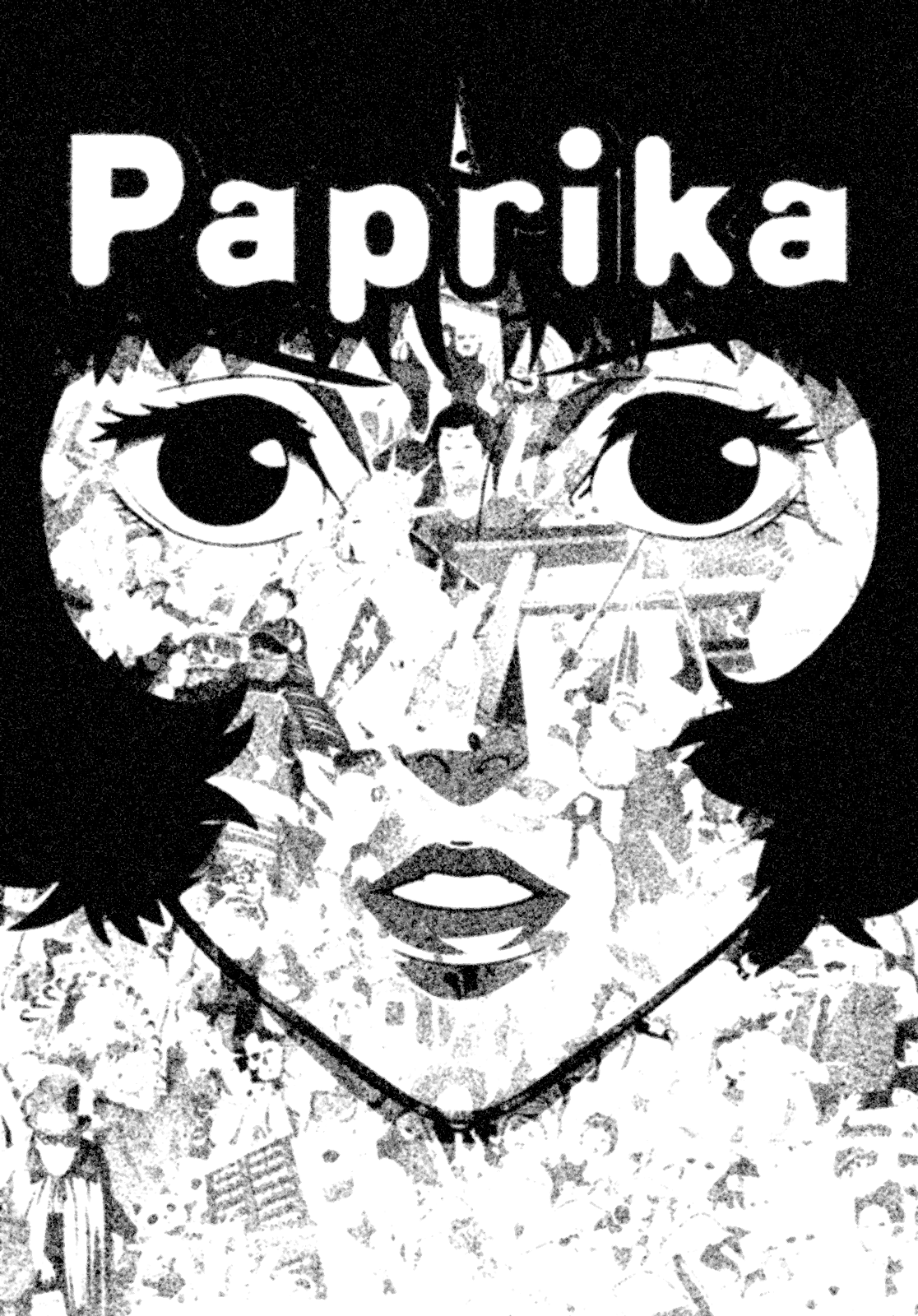
Specimen No. Ⅵ | Written by Maya Lee
Atsuko Chiba, a 29-year-old psychiatrist, operates as an alter ego named Paprika, who is 18 years old. The two are so diametrically opposed that they might be mistaken for entirely different people; whilst Paprika is lively and cheerful, Atsuko is cool-headed and pragmatic. She enters people’s dreams, attuning herself to their unconscious minds to uncover the causes of her patients’ anxiety and neuroses, and treats them.
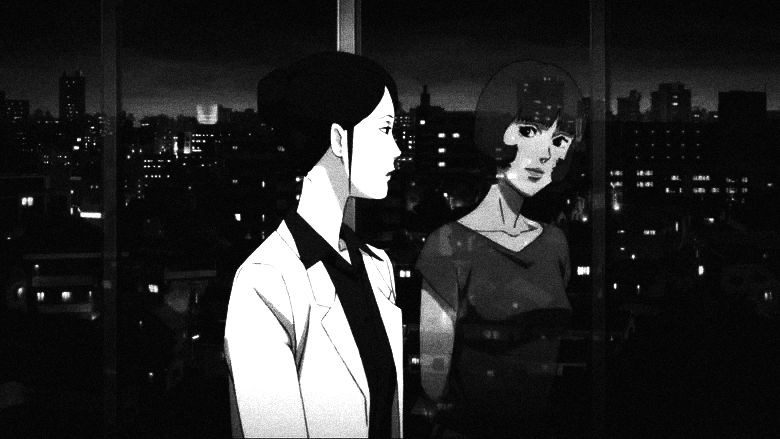
Left: Atsuko Chiba
Right: her alter ego, Paprika
The film is fundamentally rooted in Freudian psychoanalytic theory. Freud divided the human psyche into three structures[1]:
• The Id: The source of instinctive impulses, following the pleasure principle.
• The Ego: The mediator that negotiates between the Id’s instincts and reality.
• The Superego: The moral conscience that judges our desires based on societal rules.
From Freud’s perspective, Atsuko represents the Superego, which seeks to uphold morality and rules, whilst Paprika embodies the Id, unleashing repressed instincts and pleasure. This stage, where the glass of the specimen box cracks and the stuffed butterflies begin to flap their wings one by one, is a precursor to the uncontrollable unconscious bursting forth into reality.
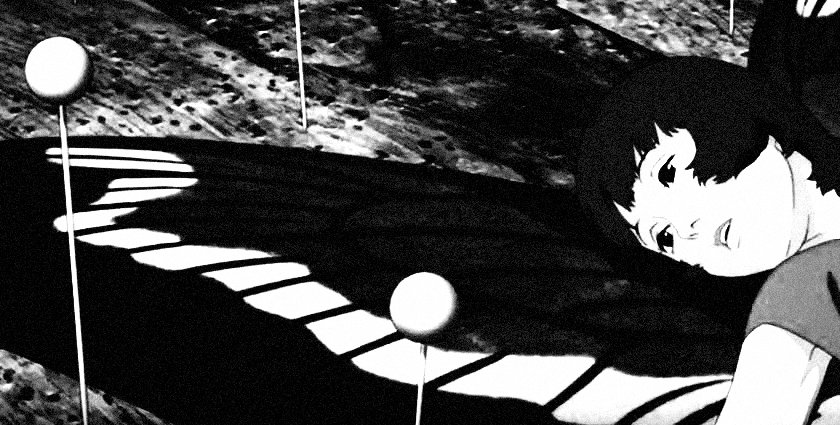
In < Paprika >, the image of Atsuko pinned as a butterfly specimen in her dream symbolises the repressed state she experiences in her subconscious.
Finally, the swarm of butterflies that bursts out of their cocoons no longer remains confined to dreams but blankets the city center in reality. This is the process by which Atsuko projects her repressed desires onto reality through her alter ego, Paprika, and is a phenomenon in which Freud’s concept of wish-fulfilment has been transformed into a physical entity. ⁋